Pest infestations rarely announce themselves loudly at the beginning. More often, they develop quietly behind walls, under floors, or in rarely used spaces, growing into serious problems before homeowners realize what is happening. By the time pests become visible, damage may already be underway.
Understanding the early warning signs of a pest infestation is one of the most effective ways to protect your home, health, and investment. Explore the most common and often overlooked signs of pest activity with Ben’s Pest Control.
Unusual Sounds Inside Walls or Ceilings
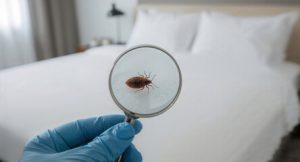
One of the earliest indicators of a pest infestation is unfamiliar noise, especially at night. Scratching, scurrying, gnawing, or rustling sounds coming from walls, ceilings, or floors often point to pests nesting or moving through hidden spaces.
Many pests are nocturnal, meaning activity increases when the home is quiet. These sounds should never be ignored, as they often signal active movement and potential nesting within the structure.
Droppings and Waste Materials
Droppings are among the most obvious signs of pest activity. They are commonly found near food sources, along walls, inside cabinets, or in storage areas. Pest droppings vary in size and shape, but any unexplained waste is a clear red flag.
Beyond being unpleasant, droppings can pose serious health risks. They may carry bacteria and allergens that contaminate surfaces and indoor air, making early detection essential.
Damage to Food Packaging and Storage Areas
Pests are constantly searching for food, and kitchens and pantries are prime targets. Chewed packaging, gnawed containers, or food spills that appear overnight are strong indicators of pest presence.
Even sealed containers can attract pests if they emit strong odors. Damage in food storage areas often suggests pests have already established easy access to food sources.
Grease Marks, Smudge Trails, and Stains
Some pests leave behind visible trails as they move along walls and baseboards. These marks may appear as greasy smudges, dark streaks, or dirt-like stains caused by repeated contact.
Over time, these trails become more noticeable, especially along frequently traveled paths. They often indicate ongoing activity and established movement routes within the home.
Unpleasant or Unusual Odors
Persistent, unexplained odors can be a subtle but important sign of a pest infestation. Musty smells, strong ammonia-like odors, or foul scents in enclosed areas may indicate nesting, waste buildup, or decaying organic material.
These odors often intensify over time and may linger even after cleaning. If a smell persists without an obvious cause, pest activity should be considered as a possible explanation.
Damage to Walls, Furniture, and Structures
Pests can cause noticeable physical damage to homes. This includes gnaw marks on wood, holes in walls, damaged insulation, or frayed wiring. Some pests chew constantly to maintain their teeth, while others damage materials during nesting.
Structural damage may begin small but can escalate quickly if left unaddressed. Early signs such as bubbling paint, hollow-sounding wood, or unexplained cracks can signal hidden pest activity.
Shed Skins, Wings, or Body Parts
Many pests shed parts of their bodies as they grow and develop. Finding discarded wings, skins, or exoskeletons near windowsills, corners, or storage areas often indicates an active infestation.
These remnants are frequently overlooked but provide valuable clues about pest presence and life cycles. Repeated discoveries suggest ongoing reproduction rather than a one-time occurrence.
Increased Pest Sightings During Daytime
Seeing pests occasionally does not always mean an infestation, but frequent sightings—especially during daylight hours—are cause for concern. Many pests avoid light and human activity, remaining hidden unless populations grow too large.
Daytime activity often indicates overcrowding in nesting areas, forcing pests to venture out more openly. This is typically a sign that the infestation is already well established.
Nests, Burrows, or Hiding Spots
Some pests create visible nests or burrows using shredded materials, paper, fabric, or insulation. These may be found in attics, basements, crawl spaces, or storage rooms.
Discovering nesting materials or unexplained piles of debris suggests pests are actively breeding within the property. Identifying these areas early helps prevent population growth.
Damage to Fabrics and Personal Belongings
Clothing, upholstery, rugs, and stored fabrics can become targets for certain pests. Small holes, frayed edges, or thinning material may indicate pest feeding activity.
This type of damage often goes unnoticed until items are retrieved from storage. Regularly checking stored belongings helps detect infestations before damage spreads.
Increased Pet Behavior or Agitation
Pets often notice pest activity before humans do. Excessive scratching, barking at walls, or focused attention on specific areas may indicate pests hiding nearby.
Changes in pet behavior, especially when repeated or unexplained, should be taken seriously. Pets can act as early warning systems for hidden infestations.
Bite Marks or Skin Irritation
Unexplained bites, rashes, or skin irritation may signal pest activity, particularly when symptoms appear overnight. These reactions often occur in clusters or along exposed areas of skin.
While skin irritation can have many causes, recurring issues without a clear explanation should prompt a closer inspection of sleeping and resting areas.
Noises or Activity in Storage Areas
Garages, attics, and basements are common hiding places for pests due to limited disturbance. Signs such as disturbed boxes, scattered materials, or new holes in stored items may indicate pest presence.
Because these areas are checked less frequently, infestations can grow undetected. Regular inspections are essential for early identification.
Sudden Increase in Insects Near Lights or Windows
An unusual number of insects gathering near windows, doors, or light sources can indicate nearby nesting or breeding sites. This is especially concerning when activity persists over time.
Indoor insect activity often reflects outdoor populations moving inside in search of shelter, food, or moisture.
Moisture Problems and Pest Correlation
Pests are strongly attracted to moisture. Leaks, condensation, and damp areas create ideal environments for infestation. Signs of pest activity often appear near plumbing, bathrooms, kitchens, and basements.
If moisture issues are present alongside other warning signs, the likelihood of infestation increases significantly.
Damage to Electrical Wiring and Systems
Some pests chew on electrical wiring, creating serious safety risks. Flickering lights, unexplained power issues, or damaged cables may indicate pest interference.
This type of damage can lead to costly repairs and increased fire hazards, making early detection critical.
Why Early Detection Matters
Identifying pest infestations early reduces damage, lowers treatment costs, and minimizes health risks. Small problems are easier to manage than widespread infestations that require extensive intervention.
Early detection also helps protect property value. Homes with ongoing pest issues often face long-term structural damage that can be expensive to repair.
The Risks of Ignoring Warning Signs
Ignoring early signs allows pests to multiply and spread throughout the home. Over time, infestations become more difficult to control and may require more aggressive solutions.
Health risks also increase as pests contaminate surfaces, air, and food sources. Delayed action often results in greater inconvenience and expense.
Creating Awareness as a Homeowner
Homeowners play a crucial role in pest prevention. Regular inspections, attention to small changes, and awareness of common signs can make a significant difference.
Simple habits such as checking storage areas, monitoring moisture levels, and sealing entry points help reduce infestation risks.
When Professional Inspection Becomes Essential
While homeowners can identify many warning signs, some infestations remain hidden without professional inspection. Trained specialists can identify subtle indicators and assess risk areas thoroughly.
Professional inspections provide clarity and ensure that infestations are addressed effectively and safely.
Knowing the signs of a pest infestation empowers homeowners to act quickly and confidently. From unusual sounds and odors to physical damage and behavioral changes, these warning signs should never be ignored.
Early awareness and proactive action are the keys to protecting your home, health, and peace of mind. By staying vigilant and informed, homeowners can prevent minor pest issues from turning into major problems and maintain a safe, comfortable living environment year-round.